Using Art to Inspire Essay Writing: Techniques and Strategies for Creative Expression
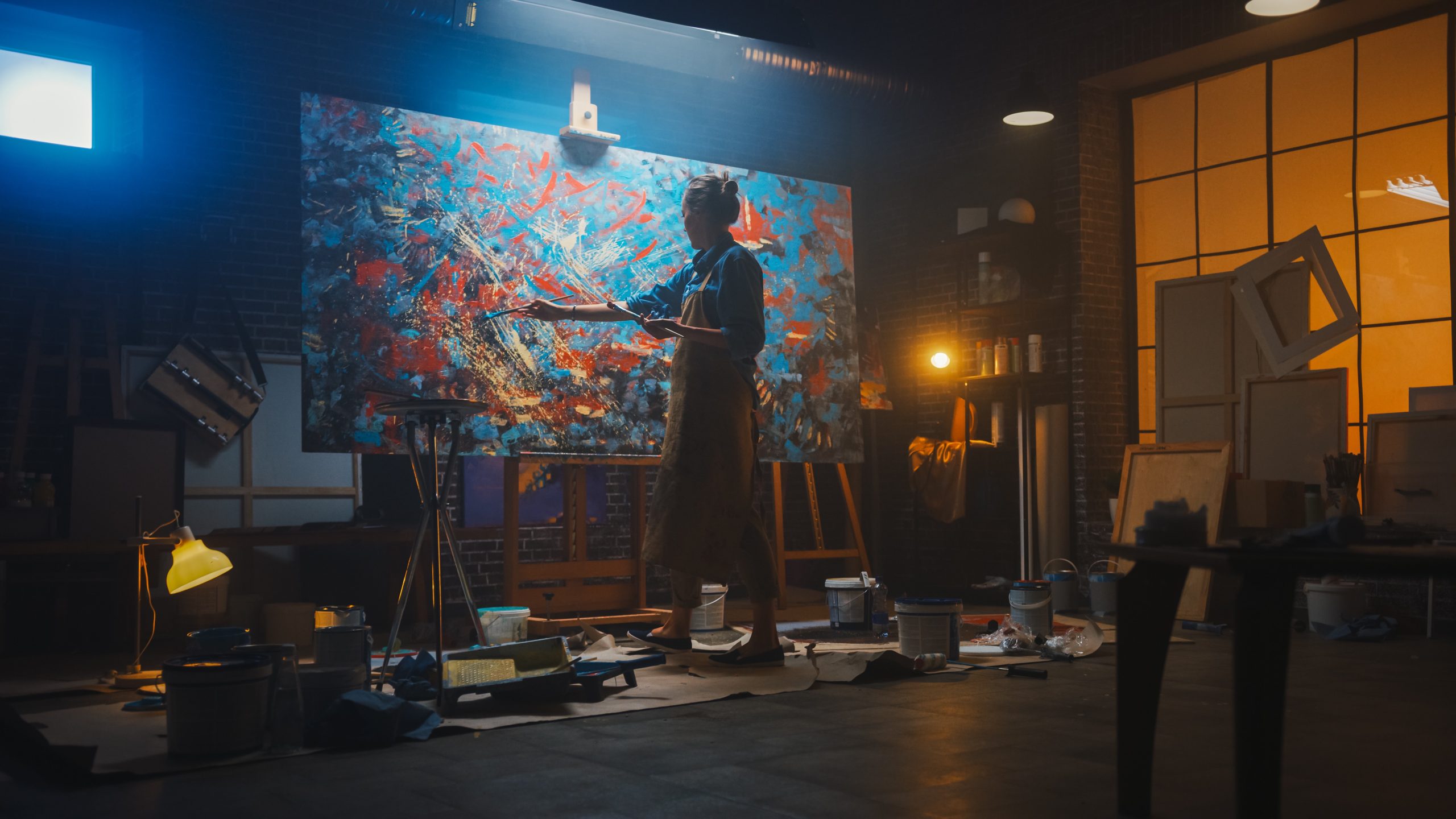
Art is responsible for many grand changes that the world has seen. Even today, we analyze the lives and history of laymen and great men through paintings and music. When we peruse through Tintoretto’s Renaissance paintings and then move to modern graffiti, it gives us a distinct idea of the changing time.
The best part about art is it is free and non-judgmental. You can still prefer the pianoforte for your praise session over guitar lessons, and whether the brush strokes are greased in oil paint or the stylus of your brand new iPad.
It is about self-expression, and it can take any form. But what is the association between art and essay? Traditionally, essays and research papers have often seemed more empirical in nature rather than something based on intuition.
But, the art form’s creativity can also come with logic. There is simply a different perspective to it.
Art As Creative Inspiration
Here is why art is an inspiration to look at an essay from a different perspective. Any form of creativity is understood to be an art form. However, with too much research and statistical analysis, art can sometimes be lost in essays, whether it is poetry, painting, music, or drama.
Here is how creativity will flourish in essays if you let different art forms be your inspiration.
To begin with, the ideology of art always nourishes open mindedness. One cannot be afraid to present their own take on something along with traditional ideologies. Art is about accepting every point of view, just like a story’s narration. How one interprets is their own choice.
On the other hand, it is quite a difficult challenge to incorporate such ideas in factual essays. In order to resolve this issue, you have to do two things.
- First, pick a topic that closely connects to the art of your choice.
- Second, if that is not possible for your assignment, go for a cultural or psychological perspective rather than a technical one. Facts should be a part of your essay, not the whole essay.
Art Techniques Which Can Help You Perfect Your Essay
Along with getting inspired by art itself, certain artistic techniques can help the individual make more precise decisions and perfect their art in terms of practice.
1. Underpaintings
Looking at an entire task can be intimidating. It is also intimidating for an artist when they see their landscape or portrait. A good way for them to diminish this undercurrent of fear and self-doubt is through underpainting.
They often believe that the others will fall in line when the base is perfected. You will often find artists painting their base first. The faded objects in the background, or just stroking the brush lightly on the paper with some Sepia tone.
This gives them a fair idea of what should be done after. You can use this technique for your essay writing when you have to conquer one step at a time. Seeing the whole thing at once can be intimidating, so take each day at a time with an assigned task.
2. Emulation
This is what we call imitating an expert until you have your own style. You will often find artists do so. They will have inspiration from an artist whose style they admire. Then through practice and style of the strokes, they will try to emulate it closely.
This helps them learn the different techniques often used by other experts. This technique can do wonders for someone who wishes to write better essays by their final year.
You begin with researching all the writers you would want to emulate. Then begin with reading their work and understanding their method. However, if essay writing is your priority, then you should consider reading more of that kind.
3. Frequent Small Sketches
If the concept of art and implementing them in your writing skills confuses you, then you must be a novice at writing. Essays and assignments can induce writing anxiety for many. This is when you get overly stressed looking at the number of words you have to write.
Then you start counting the hours and days you must invest. This does not even count the days you would require for proper research work. This is where the artist’s formula of frequent brush strokes comes in.
In art school, first-year students are not asked to paint a portrait on their first day. Rather they start with the basics of any artwork; sketches. Through frequent sketches, the hands become perfect for understanding and drawing the figure.
If you have such an approach to your essay writing practice, you should be able to improve your writing skills by leaps and bounds after a few weeks.
How You Could Be More Creative With Your Essay
Facts and figures don’t have to kill your creativity. In the case of the essay, there are certain ways where you can blend both; we will be discussing a few blows.
1. Remember to Express Yourself
Art is a form of expression; through the artists’ words or brush strokes, you can get a peak of what they were thinking or feeling. Your character should be emulated well in your essay, especially if you are giving that essay for your college admission.
Try to add more paragraphs stating your humble opinion. How it differs from or matches the conventional one, and overall, have a conversation with your teacher through your writing.
2. Give Something New to the Reader
Giving something unique to the reader may be an original creation or a fact they might not have read before. Remember, if you are already covering a topic you wish is quite trendy, you will require an unheard fact or an interesting anecdote which the others might.
There could be nothing more creative than moving aside from the course of the crowd and doing something new.
3. Be Spontaneous
An interesting subject will catch your attention when you start your research. This will be followed with spontaneous ideas. Now, sometimes you should pause with overflowing ideas since it can confuse your professors.
However, if one idea stands out, then make a note of it. Although, at times, it could be a little radical to add a drastic change of view. Keep yourself in the reader’s show, and question whether this will be interesting to read.
Creativity rarely flourishes in coddled environments; sometimes, you must let your thoughts run wild.
4. Add Yourself to It
No matter the subject, one should never be in the third person in their essays. Professors have strongly disliked reading faceless papers, saying it lacks creativity. It is simply a bunch of research poured onto a paper.
So, do not forget to add a character to your essay. The professor should be able to figure out the intentions and thoughts upon reading the essay. Giving an essay that seems slightly mass-produced is the opposite of creativity.
5. Talk to the Reader
Do not narrate a story, have a conversation with the reader. This is the epitome of contemporary art, where the artist is not conveying a message but also asking questions and allowing the audience to have an opinion regarding the art.
Art Essay Topics You Could Choose as an Art Enthusiast
However, if you are taking the subject matter quite too literally, then you should be able to find your perfect essay writing pick from the excerpt below. If you need help completing some of the topics, then the experts at FreshEssays, with adequate knowledge of art essays, can help. Simply pay for essay, and get the desired results.
1. Write About Your Favorite Music
Art is expressed the most loudly with the help of music. If you are a music enthusiast, here are some of the common art essays which you should find amusing:
- Is the Mozart Effect Not Real?
- Does Music Really Have Magical Healing Powers?
- Beats That Keep Your Heartbeat Healthy?
- Any deep analysis on your favorite legendary music artist from an era.
- From Mozart To Madonna! How Music Has Changed Over The Years
2. Unique Art Form From All Around the World
Art is definitely not the same everywhere, and one has to learn a lot from the differences and similarities of art forms worldwide. Topics you can cover here are as follows:
- K-pop music culture and style.
- Chinese Calligraphy, and more.
- Indian Terracotta Art! It’s Story & Labor.
- Bollywood Evolution With Music & Style.
- How Was Van Goh Inspired By Japanese Art?
- How Was The Renaissance Different Than The Middle Ages Art.
3. AI & Art
There is no better way to incorporate modern art with a traditional technique other than this topic. You can explore so many contemporary art ideas, and do not forget to give your take on them. Some of the topics you can cover.
- Multiple To Single – An Artist’s brush satchel to a stylus.
- Modern Art – Confusing Or Deep.
- How Gender Is Being Portrayed In Art Now.
- Can AI really be considered an art? Or Just a Mockery To Real Artists.
- Is Modern Art An Easier Gateway To Become An Artist
- Is Advertising A Form Of Modern Art?
Hope you found your desired topic.